
A farmer pulls up to a small shop off a county road outside Peoria with a trailer, and inside that trailer is a hog raised on his own land for the better part of a year. He's not there to buy meat. He's there to have his own meat turned into something usable — chops, bacon, sausage, the works. Most people driving past that shop have no idea what happens behind those doors once the trailer's unloaded. Curious, honestly, how invisible this whole trade is until someone actually needs it. That's the world custom meat cutters Peoria IL residents rely on, and it's a lot more involved than tossing something on a band saw.
Not the Same as the Grocery Store Meat Counter
Here's a distinction that trips people up constantly: the person cutting steaks behind the glass at a supermarket and a custom meat cutter aren't doing the same job at all. Grocery store cutters break down primal cuts that already arrived boxed and inspected from a large-scale supplier. Custom cutters, on the other hand, often start with a whole animal — sometimes still warm from slaughter — and every decision from that point forward belongs to the customer.
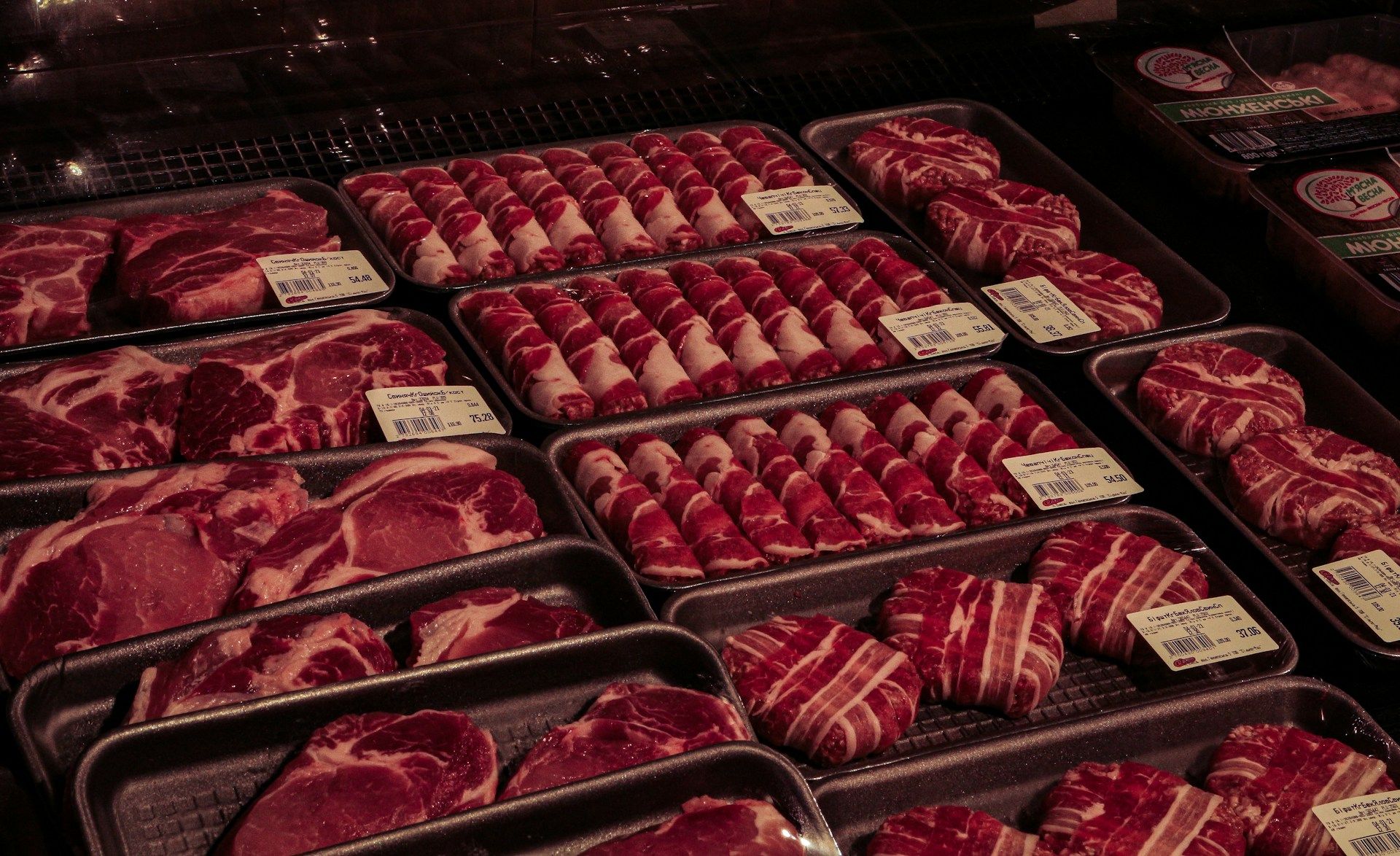
Want the ribeyes cut an inch and a half thick instead of the standard three-quarter? Say so. Prefer bone-in pork chops over boneless? That's a conversation, not a menu option. This level of customization is really the entire point of the trade, and it's why so many hunters, small farmers, and families raising their own livestock in central Illinois seek these shops out specifically.
The Actual Workflow, Start to Finish
Once an animal arrives — whether it's a deer during hunting season or a beef steer from a nearby farm — it typically hangs to age for a period, sometimes a week or two, which allows natural enzymes to tenderize the muscle and develop flavor. Skipping this step produces tougher, less flavorful meat, which is exactly why rushed operations tend to disappoint.
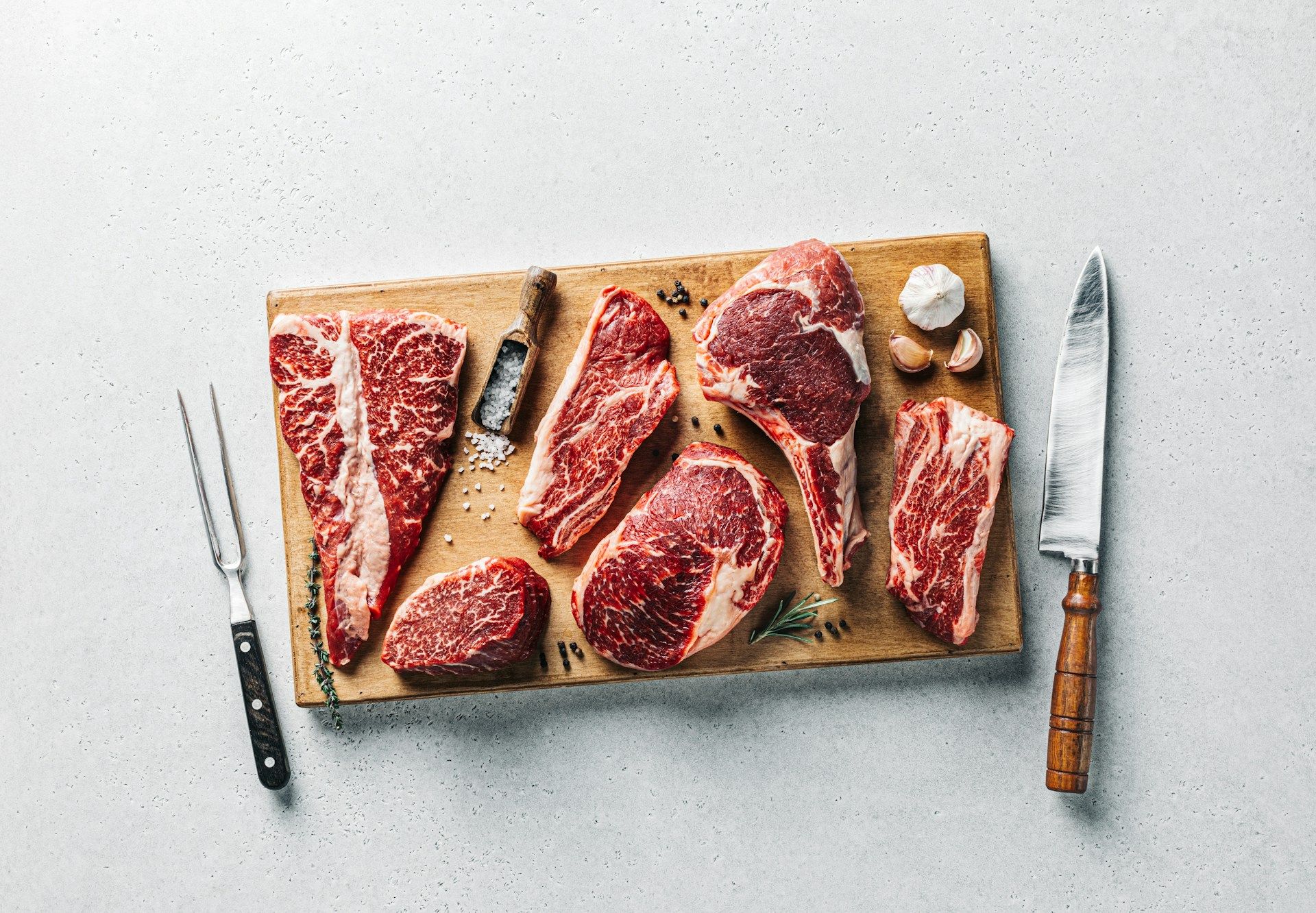
After aging, breakdown begins. The animal gets separated into primal sections, then further broken into individual cuts based on whatever specifications the customer requested. Sausage-making, if requested, involves grinding trim, blending in seasoning recipes (sometimes family recipes passed down for generations, which shops will often replicate exactly), and stuffing into casings. Vacuum sealing and labeling usually follow, then everything gets frozen and boxed for pickup.
Sounds simple written out like that. It isn't. Timing, temperature control, and blade maintenance all factor into whether the final product turns out right or gets wasted.
Why Local Knowledge Actually Matters Here
Ever noticed how some shops develop loyal followings that border on cult-like devotion? There's a reason. Custom cutting is part science, part craft, and a good cutter develops instincts over years that can't really be taught from a manual. Knowing exactly where the grain runs on an unfamiliar cut, or how much fat to leave for optimal smoking results — that's earned knowledge, not something picked up overnight.
Central Illinois has a particular relationship with this trade too, given how much of the surrounding land stays agricultural. Farmers raising their own animals for personal consumption, or families splitting a whole beef between two or three households, keep these shops in steady business year-round. Deer season alone can flood a shop with more work than the rest of the year combined.
Inspection, Regulation, and the Paperwork Side
Not the most exciting part of the story, but it matters. Custom cutting shops operate under different regulatory frameworks depending on whether meat gets sold commercially or returned strictly to the animal's owner for personal use. USDA inspection requirements shift based on that distinction, and reputable shops stay meticulous about which category each job falls under. Cutting corners here isn't just risky — it's illegal, and it undermines trust that took years to build.
The Bigger Picture
Zoom out far enough, and custom cutting represents a small but stubborn piece of a much larger meat processing ecosystem that hasn't been fully swallowed by industrial-scale operations. There's something almost defiant about it, honestly — a shop where the customer's name is written on a whiteboard next to their order, where the cutter actually remembers how thick someone likes their bacon sliced.
Worth Seeking Out
For anyone raising animals, hunting, or simply wanting meat handled with more attention than mass production allows, these shops fill a gap that larger suppliers never really addressed. Strange that something so essential stays this under-the-radar. Still, that's exactly how the people running these shops seem to prefer it — steady, local, unglamorous work that keeps freezers full across the region one animal at a time.