
Small homes have a way of exposing every bad design decision almost immediately. A bulky sofa suddenly controls the entire room. Dark paint makes the ceiling feel lower. Too many trendy décor pieces? The space starts looking tired before the year even ends.
That’s probably why so many homeowners are leaning toward traditional modern interior design lately. It sits somewhere between comfort and simplicity — structured without feeling cold, elegant without trying too hard. More importantly, it works surprisingly well in smaller spaces where every detail matters.
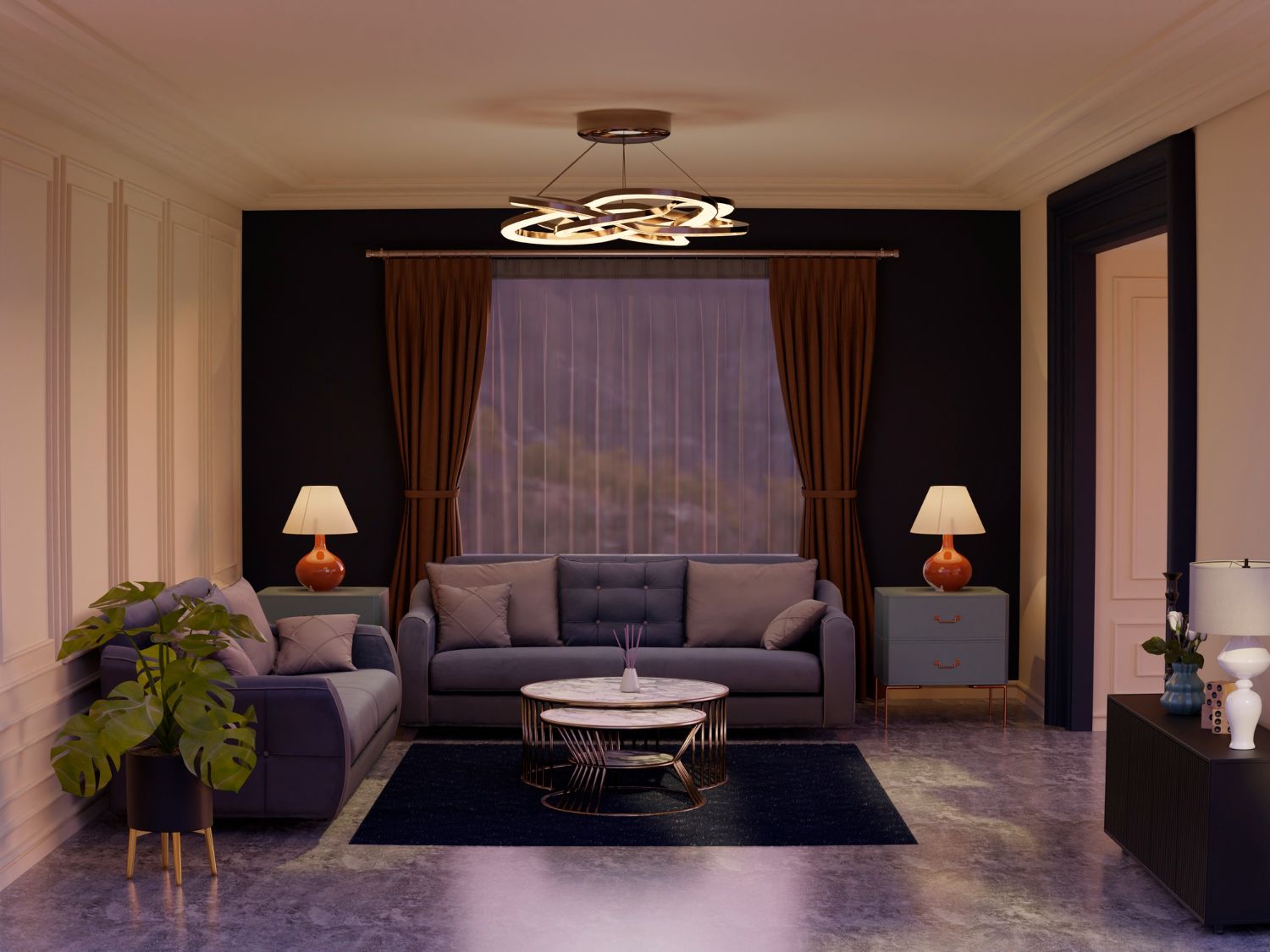
And honestly, small homes benefit from restraint far more than large houses do. In a compact space, one unnecessary item can quietly ruin the entire atmosphere.
Start With Furniture That Feels Grounded, Not Heavy
A common mistake in small interiors is confusing “traditional” with oversized furniture. Massive carved coffee tables, bulky armchairs, thick cabinetry — visually impressive perhaps, but exhausting in limited square footage.
Traditional modern interiors approach furniture differently.
Instead of filling rooms with decorative weight, the focus stays on cleaner silhouettes paired with classic textures. Think linen-upholstered seating with subtle curves. Wooden dining tables that show natural grain instead of heavy ornamentation. Pieces with visible legs rather than bulky solid bases.
Ever noticed how furniture lifted slightly off the floor makes a room feel more open? Strange little optical trick. Works almost every time.
Balance matters too. A small home filled entirely with sleek modern furniture can feel emotionally flat. Add one traditional accent chair or vintage console table, though, and suddenly the room feels lived-in.
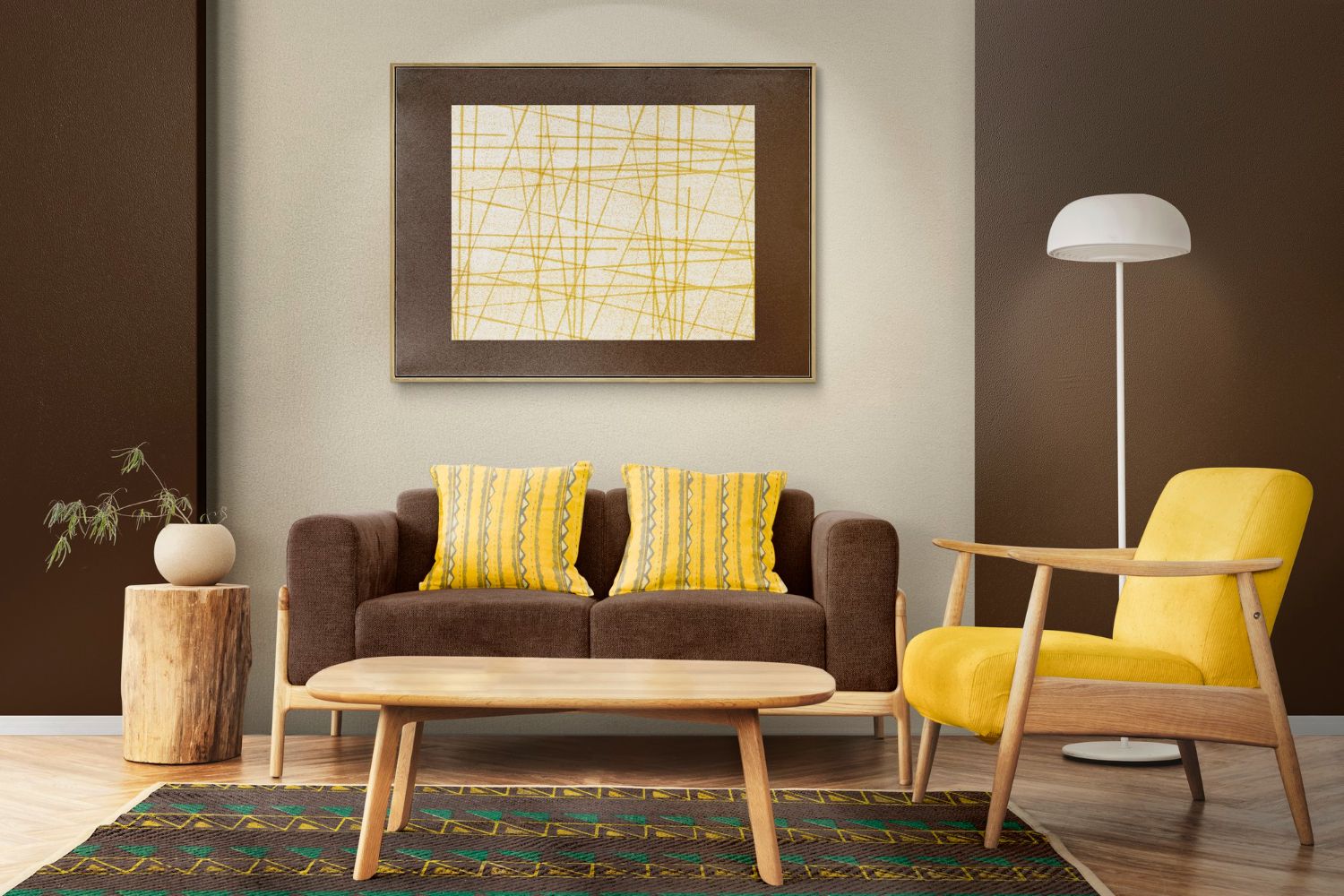
Neutral Colors Work Better When They Have Warmth
Traditional modern design softens that effect by introducing warmth through layered neutrals. Warm beige. Soft taupe. Muted olive. Dusty charcoal. Colors that feel calm without disappearing entirely.
There’s a psychological side to this people rarely talk about. Warm neutral tones tend to create visual continuity, which helps smaller spaces feel less fragmented. High-contrast palettes chop rooms into sections, making everything appear tighter.
Still, too much beige becomes lifeless quickly. That’s where texture enters.
A woven rug. Matte ceramic lamps. Linen curtains that wrinkle slightly near the floor. Small imperfections matter more than people think. Perfectly polished interiors usually feel less inviting in real life.
Use Architectural Details Sparingly
Traditional design loves architectural character — crown molding, wall panels, trim details. Small homes can absolutely handle those elements, just not in excess.
Thin molding profiles often work better than ornate decorative styles. Subtle wall paneling can add depth without overwhelming the room. Even a simple ceiling detail changes how a small space feels emotionally.
Oddly enough, architectural texture sometimes makes compact homes feel larger because the eye has something meaningful to travel across.
But restraint matters. One carefully designed wall tends to have more impact than covering every surface with decorative treatment. Small spaces become visually noisy very fast.
That’s the danger.
Lighting Shapes the Mood More Than Square Footage
People obsess over furniture layouts while ignoring lighting entirely. Big mistake.
In smaller homes, lighting affects emotional comfort almost as much as physical space itself. Harsh overhead lighting flattens rooms instantly. Everything feels compressed afterward.
Traditional modern interiors usually rely on layered lighting instead. Table lamps. Wall sconces. Soft pendant fixtures. Light spread across different heights creates depth, which subtly tricks the room into feeling larger.
Natural light matters too, obviously. Heavy blackout curtains can suffocate smaller interiors even when the furniture is perfectly arranged. Lighter fabrics allow sunlight to move naturally through the room, softening shadows and reducing visual heaviness.
Vancouver homes especially struggle with this during rainy months. A room that feels warm in summer can suddenly appear gloomy by November.
Mix Old and New Carefully
This style works because contrast exists. Too modern, and the room feels emotionally empty. Too traditional, and it starts resembling a hotel lobby from 2004.
The balance usually comes from mixing eras thoughtfully.
A modern sofa paired with antique-inspired lighting. Contemporary cabinetry beside vintage brass hardware. Clean-lined shelving holding older ceramic pieces or framed artwork with visible texture.
Not every item needs historical significance either. Sometimes one slightly worn wooden stool adds more authenticity than an entire room full of expensive matching furniture.
Perfection gets boring surprisingly fast.
And there’s another benefit to blending styles carefully: longevity. Trend-heavy interiors age quickly because they reflect one specific moment. Traditional modern spaces tend to evolve more naturally over time.
Storage Should Blend Into the Design
Small homes fail when storage feels separate from the aesthetic. Open shelving overloaded with random objects creates stress almost immediately, even if the room itself is beautiful.
Traditional modern interiors usually hide functionality inside attractive materials. Built-in cabinetry painted in warm neutrals. Storage benches beneath windows. Floating shelves styled minimally instead of packed edge-to-edge.
There’s something calming about visual breathing room. Not emptiness exactly. Just enough space for the eye to rest.
A compact living room with fewer visible objects often feels more luxurious than a larger room filled with unnecessary décor.
The Goal Isn’t Perfection — It’s Comfort
Some small homes feel surprisingly peaceful despite limited square footage. Others feel chaotic no matter how expensive the renovation becomes. Usually, the difference comes down to balance rather than budget.
A well-executed approach inspired by interior design Vancouver professionals often prioritizes warmth, functionality, and timeless materials over short-lived trends. Smaller homes especially benefit from that mindset because there’s less room for visual mistakes.
Traditional modern interiors succeed when they stop trying to impress constantly. They simply feel comfortable to exist in day after day.
And honestly, that matters more than perfect styling ever will.