
A haircut in New York City can feel like a gamble. One appointment leaves hair airy, balanced, almost architectural. The next? Over-layered and impossible to manage. The difference often isn’t luck. It’s philosophy. And that’s where the search for the right Japanese hair salon NYC begins.
Japanese salons aren’t just about trend-forward styles or glossy Instagram photos. They’re rooted in discipline, precision, and technical training that emphasizes structure before flash. But finding the right one takes more than typing a phrase into Google and booking the first available slot. It requires observation. A bit of decoding. And yes, patience.
Look Beyond the Aesthetic — Study the Technique
Many salons look beautiful online. Minimalist interiors. Soft lighting. Neutral palettes. All very calming.
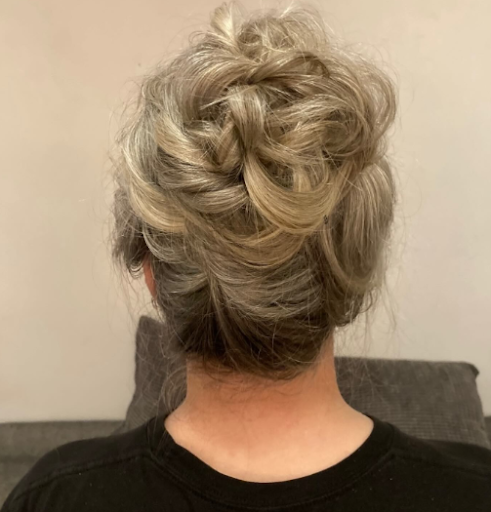
Japanese stylists are often trained with an almost obsessive focus on sectioning, tension control, and scissor accuracy. Watch for clues in their portfolio. Are the cuts clean and controlled? Do bobs fall symmetrically without heavy styling? Does long hair move naturally without looking thinned out?
Precision cutting is a hallmark. It allows hair to grow out gracefully — a subtle but powerful indicator of quality. Ever noticed how some haircuts collapse after two weeks? That usually signals rushed layering or poor structural balance.
Research the Training Background
Not all stylists working in Japanese-themed salons are trained in Japan. That matters.
Many elite stylists study under structured apprenticeship systems in cities like Tokyo or Osaka, where technical drills are part of daily routine. Cutting mannequins repeatedly. Refining angles. Learning restraint. That discipline translates into a different approach behind the chair.
Look for bios mentioning formal training in Japan or mentorship under established Japanese educators. It signals a foundation built on method, not improvisation.

That foundation shows in small ways — the careful consultation, the way hair is assessed dry before washing, the deliberate pacing. No rushing. No guesswork.
Pay Attention to Consultation Style
A strong consultation can reveal everything.
Does the stylist ask about lifestyle? Daily styling habits? Growth patterns? Face shape? Japanese-trained professionals often approach hair as a long-term relationship rather than a one-time transformation.
They may recommend subtle changes instead of dramatic ones. Sometimes that feels conservative. It isn’t. It’s strategic.
For example, someone requesting heavy curtain bangs might be guided toward softer framing layers if cowlick patterns suggest difficulty. It’s not about denying trends. It’s about respecting biology.
Strange, but true — the best stylists often talk clients out of risky decisions.
Examine Reviews for Patterns, Not Praise
Five-star ratings alone don’t mean much in NYC. Patterns do.
Look for comments describing consistency, attention to detail, or how well the cut grows out over time. Recurring mentions of “balanced,” “precise,” or “natural movement” suggest technical strength.
Be cautious of reviews focused only on friendliness or ambiance. Pleasant service matters, but craftsmanship is the reason to book.
And pay attention to how concerns are handled. Professional salons respond thoughtfully, not defensively.
Observe the Blow-Dry Philosophy
This might sound minor. It isn’t.
Some salons rely heavily on curling irons and styling products to create the illusion of shape. Japanese cutting philosophy typically aims for air-dried structure first. Blow-drying enhances what’s already there instead of masking flaws.
If portfolio photos show every style aggressively curled, it’s harder to judge the underlying cut. Seek out images of straight, minimally styled hair. That’s where precision reveals itself.
Clean lines don’t need decoration.
Consider the Specialization
Not every Japanese salon excels in every service. Some are known for straightening techniques like thermal reconditioning. Others specialize in textured layering, digital perms, or scalp treatments.
Define priorities before booking. Is the goal sleek glass-like hair? Soft, lived-in layers? Repair for damaged strands?
Clarity prevents disappointment.
NYC has no shortage of options, but specialization narrows the field quickly.
Location Matters — But Not for the Obvious Reason
Proximity feels convenient. Yet sometimes traveling a few extra subway stops makes sense.
Salons in neighborhoods with strong Japanese communities often maintain deeper cultural ties and technique authenticity. Areas near Manhattan business districts or select parts of Brooklyn may house salons with long-standing reputations among loyal clientele.
Price Transparency and Structure
Premium technique carries premium pricing. That’s expected.
But clarity is crucial. Transparent pricing for different hair lengths, clear communication about additional treatments, and no surprise add-ons signal professionalism.
Underpriced services in Manhattan often raise questions. High rent alone makes extremely low pricing unsustainable. Something typically gives — time, precision, or product quality.
And corners cut in a haircut show quickly.
Trial Appointment Strategy
For those uncertain, booking a blowout or treatment before committing to a full cut can offer insight into service quality and communication style.
Observe cleanliness. Tool organization. Timing discipline. Even posture. These details reflect internal standards.
A truly good hair salon NYC doesn’t just perform well during big transformations; it maintains consistency in routine services too.
Cultural Fit and Communication Comfort
Technical mastery matters, but comfort counts as well.
Some clients prefer direct, minimal conversation. Others appreciate collaborative dialogue. Japanese salon culture often leans toward respectful attentiveness rather than overly chatty service. That dynamic suits many New Yorkers seeking calm amid chaos.
Still, chemistry plays a role. A stylist who listens carefully and responds with thoughtful suggestions creates trust. Without trust, even skilled hands can’t deliver satisfaction.
Hair is personal. Vulnerable, even.
Final Thoughts: Precision Over Hype
Trends cycle fast in NYC. Blunt cuts. Shag revivals. Micro bangs. Each season introduces something louder than the last.
Japanese salons tend to resist chasing hype blindly. They prioritize structure, longevity, and subtle elegance. That restraint can feel understated at first. Then the haircut grows out seamlessly for months. That’s when the difference becomes obvious.
Finding the right salon requires observation, research, and a willingness to value discipline over flash. But once discovered, the relationship often lasts years.
And in a city that changes constantly, that kind of consistency feels rare.