
A suitcase stuck half-open in a cramped airport aisle has a way of testing patience. One traveler pulls, another waits, and suddenly the entire packing system feels questionable. Strange how something as simple as luggage design can decide the tone of a trip.
That is usually where the appeal of Top Opening Luggage quietly enters the picture. Not flashy, not over-promoted in travel ads, but oddly practical once the rhythm of real travel begins to show its flaws.
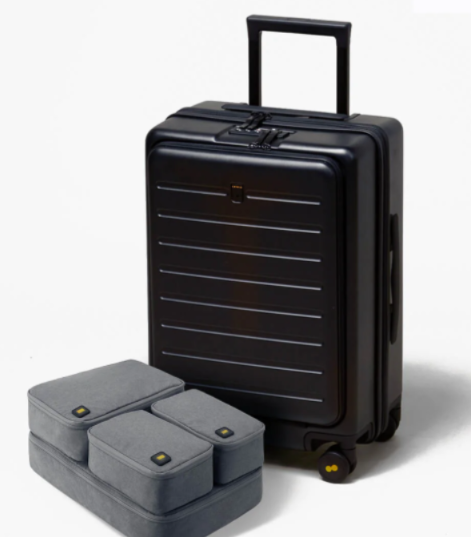
The quiet logic behind top-opening designs
Unlike traditional clamshell suitcases that split sideways, top-opening designs behave more like a trunk. Open from the top, access what’s needed, close again without unpacking everything. Sounds minor. It isn’t.
Airports, train compartments, even hotel rooms with barely any floor space expose a simple truth — luggage rarely gets the luxury of a clean, wide-open area. A top-access system reduces that awkward sprawl. One side of the bag stays grounded, the other does the work.
Ever noticed how some travelers manage to grab a charger or shirt without disturbing everything else? That’s not luck. It’s design thinking.
Why this format changes packing behavior
Packing with a top-opening structure subtly forces discipline. Layers become more intentional. Frequently used items sit on top instead of being buried under “just in case” clothing.
There’s also a psychological shift. Instead of treating luggage like a suitcase that must be fully opened to function, it behaves more like a vertical storage unit. Quick access becomes the default mindset.
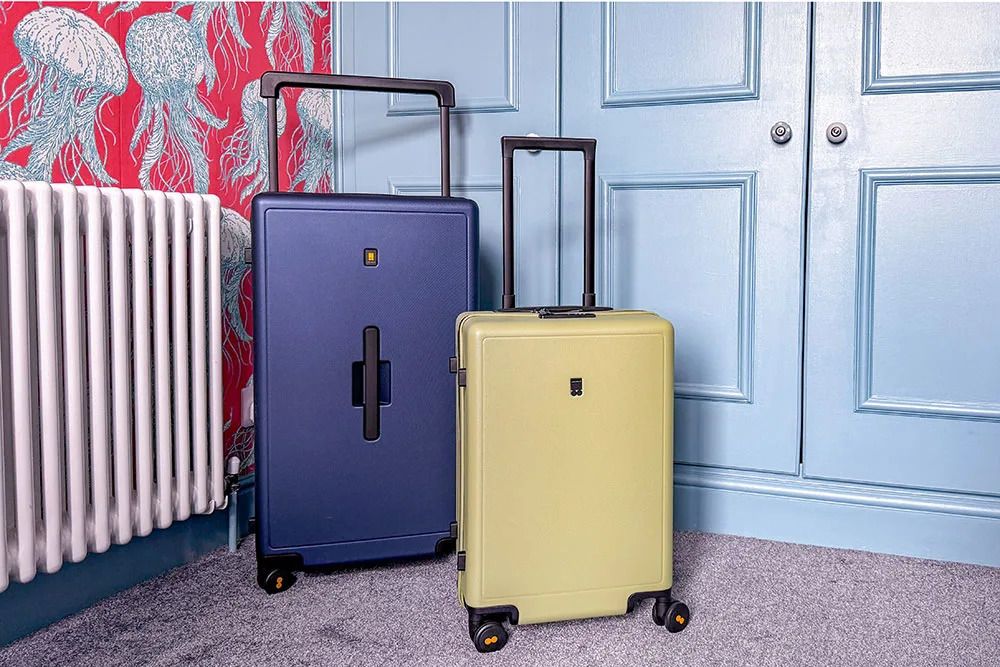
Still, rules exist for a reason. Overpacking this style can make retrieval messy. A stuffed top-opening bag loses its biggest advantage — accessibility. Strange, but true.
Who actually benefits from it
Not every traveler notices the difference immediately. Short business trips, frequent flyers, and urban commuters tend to feel it first.
Business travel often involves quick hotel check-ins, short stays, and repeated access to essentials like documents, tech gear, or toiletries. Digging through a fully opened suitcase every time becomes unnecessary friction.
Digital nomads also lean toward this design for the same reason — repeated access without full unpacking. One side remains organized, the other adapts daily.
Leisure travelers might not care as much, at least until they experience tight hotel rooms or shared accommodations where floor space is a luxury.
Features that actually matter (beyond marketing noise)
Wheel quality gets mentioned everywhere, but in real travel conditions, structure matters more. A semi-rigid frame helps maintain shape even when the bag isn’t fully expanded.
Internal compartments in top-opening models often follow vertical logic. That’s important. It prevents smaller items from sinking to the bottom like forgotten debris.
Zipper placement also plays a silent role. Poorly aligned zippers can make one-handed access frustrating. Good designs glide open without resistance, almost unnoticed.
Then there’s weight distribution. A well-balanced top-opening suitcase doesn’t topple when opened partially — a small detail until it suddenly matters in a narrow train aisle.
Common mistakes while choosing one
A frequent error is assuming all upright-opening bags behave the same. They don’t. Some are hybrid designs pretending to be top-access but still rely heavily on full-side expansion.
Another oversight is ignoring depth. A very deep compartment may look spacious but becomes chaotic without internal segmentation. Items vanish into layers faster than expected.
And then there’s the aesthetic trap — choosing style over access mechanism. A sleek shell means little if opening it requires rearranging half the room.
Matching luggage style to travel behavior
A structured traveler — one who packs in categories and rarely improvises — benefits most from top-access systems. Everything stays predictable.
A spontaneous packer, who throws items in at the last minute, might struggle unless minimalism is naturally part of their behavior.
In contrast, rigid clamshell designs still suit long vacations where full unpacking is expected. Different rhythm, different need.
It is less about superiority and more about alignment with habits. That distinction is often missed.
Final considerations before choosing
Material strength, internal layout, and access design should carry more weight than branding trends. A reliable suitcase should feel like an extension of travel behavior, not a disruption to it.
Some premium travel brands, such as Level8, quietly focus on durability and structured design. Level8 offers top quality of business luggages, especially for travelers who prioritize clean organization over unnecessary complexity.
Pairing a top-opening suitcase with a broader Carryon Luggage set can also help maintain consistency across short and long trips, especially when travel demands shift frequently.
In the end, luggage is not just storage. It is movement discipline in physical form. And once that idea settles in, even a small design detail — like where a zipper opens — starts to feel surprisingly significant.