
A surprising number of workplace problems start with something small. Overflowing trash bins. Dust collecting along vents. Smudged glass doors nobody notices anymore because employees walk past them every day.
That’s usually when companies begin looking for an office cleaning service near Pittsburgh instead of depending on inconsistent in-house cleanup routines that nobody truly manages well.
Cleanliness in a workplace works like background music — people rarely notice when it’s done well, but everyone feels it when it’s ignored.
The tricky part is deciding what frequency makes sense. Daily cleaning? Weekly? Something in between?
Honestly, the answer depends less on office size and more on how the space gets used.
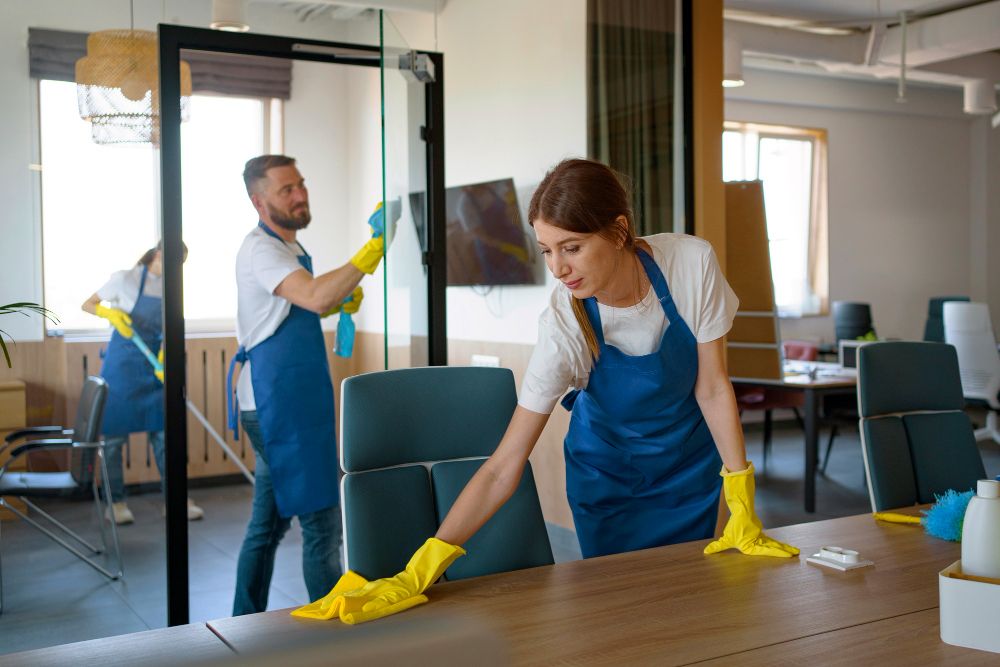
Daily Cleaning Works Better for High-Traffic Offices
Some offices accumulate mess faster than others. It becomes obvious by lunchtime.
Shared kitchens fill with coffee spills and food containers. Restrooms get heavy use. Reception areas collect dirt from constant foot traffic. Conference rooms cycle through employees all day long, leaving fingerprints, crumbs, and clutter behind almost immediately.
In those environments, daily cleaning usually isn’t excessive. It’s preventative maintenance.
Medical offices, law firms, coworking spaces, and customer-facing businesses often benefit most from nightly cleaning schedules because appearances directly affect client trust. People quietly judge cleanliness within seconds of entering a building. Strange, but true.
There’s also the health factor.
High-touch surfaces like elevator buttons, desks, breakroom counters, and door handles collect bacteria constantly throughout the workday. Employees notice it too, even if nobody says anything directly.
Weekly Cleaning Makes Sense for Smaller Workspaces
Not every office needs cleaners walking through the building every evening.
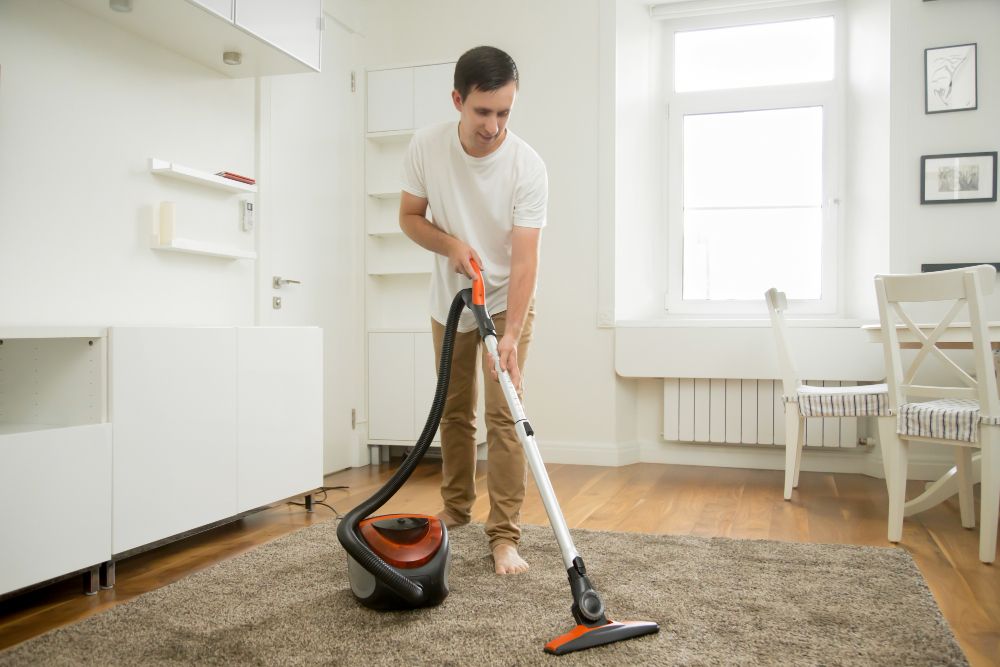
Smaller professional offices with limited staff sometimes function perfectly well with weekly service, especially if employees maintain reasonable day-to-day habits themselves. A quiet accounting office with six employees creates a very different cleaning demand than a busy customer service center handling nonstop traffic.
That distinction matters.
Weekly cleaning often works best for businesses where:
- Employees rotate remote schedules
- Clients rarely visit the office
- Shared spaces stay limited
- Food preparation areas are minimal
- Foot traffic remains relatively light
Still, weekly cleaning has limitations people underestimate. Dirt accumulates gradually, so offices can start feeling stale before anyone fully notices why. Carpets absorb odors. Trash bins overflow unexpectedly. Dust settles into corners people mentally stop seeing after a while.
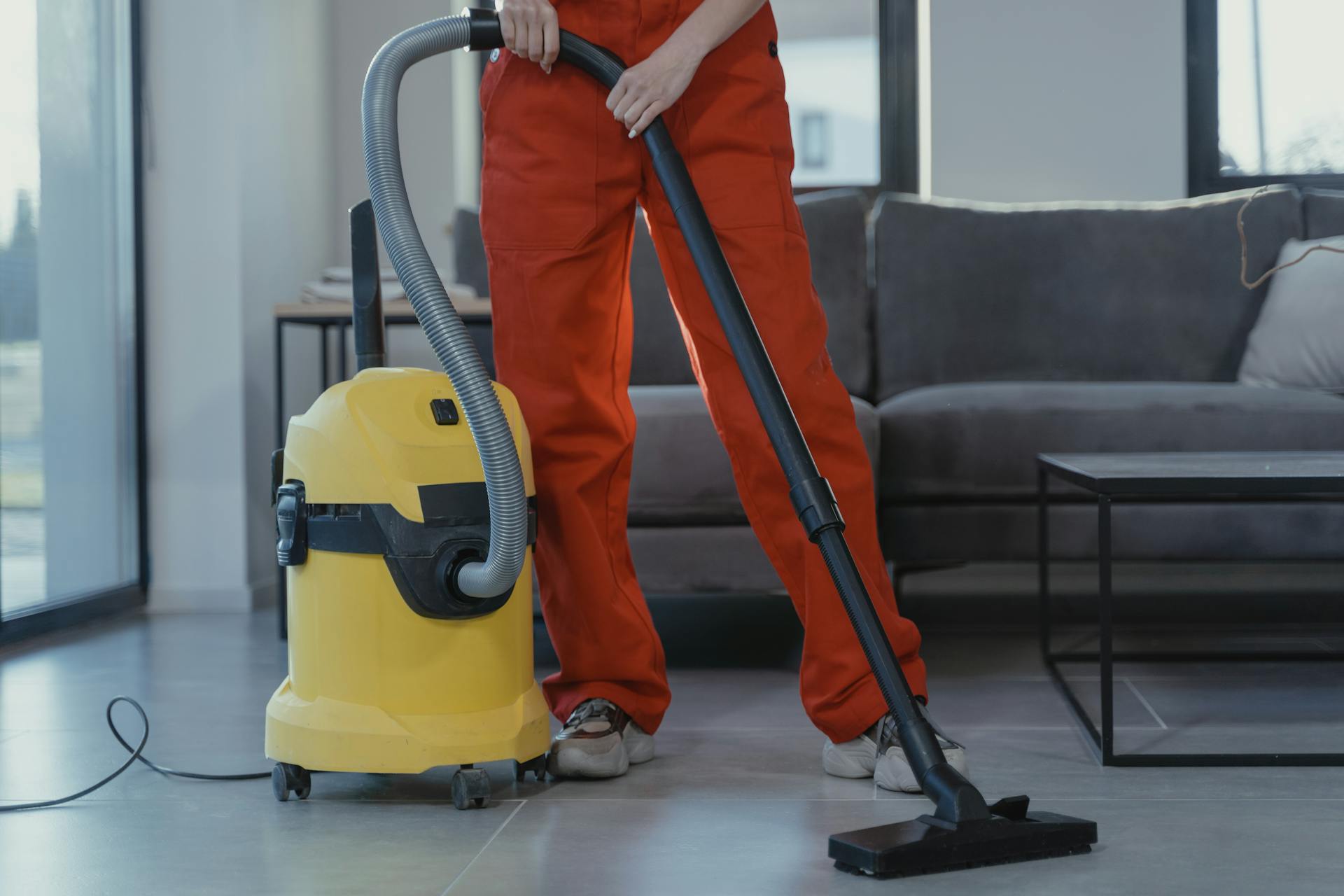
Offices age quietly when cleaning gets delayed too long.
The “In-Between” Schedule Is More Common Than Expected
A lot of businesses assume cleaning frequency must be either daily or weekly. Realistically, many offices land somewhere in the middle.
Three-times-per-week schedules have become surprisingly common because they balance maintenance needs without overspending on unnecessary service. Trash removal, restroom sanitizing, and floor care happen consistently enough to maintain cleanliness while avoiding excessive costs for slower offices.
This setup works especially well for mid-sized companies where activity fluctuates throughout the week.
Mondays and Fridays usually need more attention anyway. People bring chaos into offices at the start of the week, then leave behind clutter before weekends. Wednesday cleanings often help reset everything before buildup becomes obvious.
Oddly specific maybe. Still accurate.
Clean Offices Affect Productivity More Than Managers Realize
Most employees won’t openly complain about dusty vents or dirty carpets unless conditions become extreme. That doesn’t mean the environment has no effect.
Cluttered or poorly maintained offices create subtle tension over time. Breakrooms feel unpleasant. Shared restrooms become frustrating. Air quality worsens slowly because dust and allergens build inside carpets and ventilation systems.
Then concentration drops.
Ever noticed how certain offices feel mentally exhausting despite looking technically “fine”? Cleanliness often plays a role people underestimate.
There’s a psychological comfort attached to clean environments. Organized spaces reduce distraction. Sanitized workstations feel more professional. Employees tend to respect shared areas more when the office already appears maintained consistently.
Neglected spaces usually decline faster because people stop caring.
Seasonal Changes Matter Too
Pittsburgh weather complicates office cleaning schedules more than many businesses expect.
Winter brings salt, slush, and moisture through entryways almost daily. Spring introduces pollen and mud. Summer humidity affects carpets and indoor air quality. Fall means leaves and debris constantly getting tracked indoors.
An office that functions well with weekly cleaning during summer might suddenly require more frequent service in January.
That’s why flexible cleaning schedules often work better than rigid year-round plans. Businesses change throughout the seasons, and cleaning needs change with them.
Pretty simple when viewed realistically.
Cost Isn’t the Only Thing Businesses Should Measure
Some companies focus only on the immediate price difference between weekly and daily service. Fair concern. Budgets matter.
But cleaning decisions affect larger maintenance costs too.
Carpets last longer when dirt gets removed consistently. Restrooms stay in better condition. Floors experience less permanent wear. Furniture holds up better in cleaner environments. Small maintenance habits prevent expensive replacements later.
That’s one reason many businesses eventually invest in professional commercial cleaning services instead of relying entirely on occasional deep cleans after problems become visible.
Preventative maintenance rarely feels urgent. Until it suddenly becomes expensive.
Final Thoughts
There isn’t one perfect office cleaning schedule for every business. A downtown medical office, a small law practice, and a warehouse administrative building all operate differently.
Daily cleaning works best for high-traffic environments where hygiene and presentation directly affect employees or clients. Weekly cleaning fits quieter spaces with lighter activity. Somewhere in between often makes the most practical sense.
The important part is consistency.
Because offices rarely become dirty overnight. The decline happens gradually — one overflowing trash bin, dusty corner, or stained carpet at a time — until the workplace stops feeling professional without anyone noticing exactly when it changed.