
Stand in front of a grocery store meat case long enough and something starts to feel a little off. Every steak looks suspiciously uniform. Same thickness, same trim, same shrink-wrapped shine under the fluorescent lights. Convenient, sure — but also strangely impersonal, like ordering coffee from a machine instead of someone who actually knows how strong to make it. That's roughly the gap between shelf meat and what Custom Meat Cutters Peoria IL butchers provide when someone walks in wanting something specific rather than whatever happens to be pre-packaged that week.
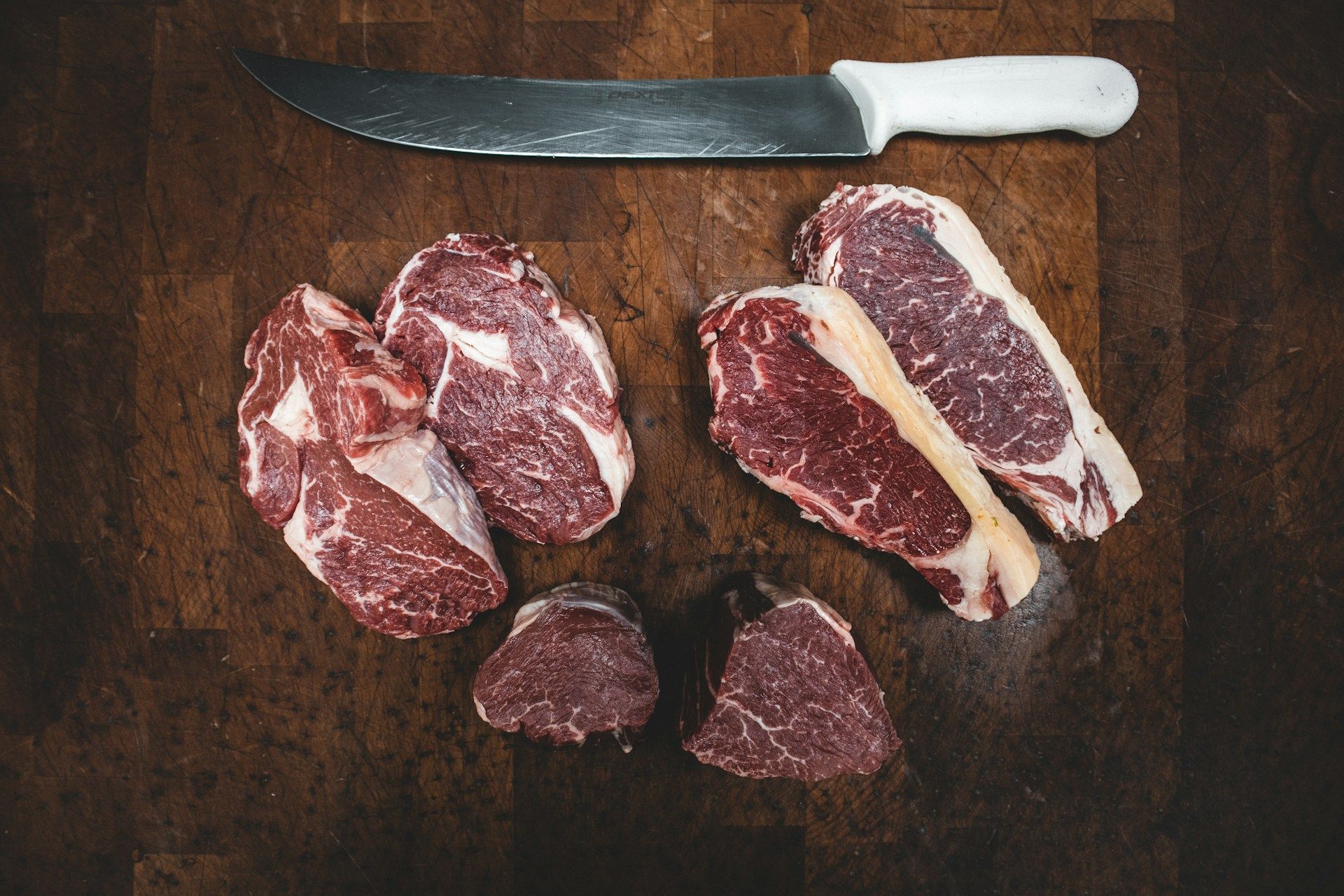
The difference isn't just about thickness or presentation, either. It runs deeper — into sourcing, technique, and honestly, the whole philosophy behind how meat gets prepared before it lands on a plate.
Volume Versus Attention
Grocery store meat departments operate on volume. Massive processing facilities cut according to standardized specs designed to move product quickly and consistently across hundreds of store locations. That's not a knock on them — it's just the nature of feeding a country efficiently. But standardization has a cost, and that cost usually shows up as a loss of flexibility.
Custom cutters work differently. A butcher shop focused on custom work isn't trying to stock a thousand identical packages by Tuesday morning. Instead, they're often cutting to order, adjusting thickness based on what someone's actually cooking that week — thinner cuts for stir-fry, thicker ones for grilling, bone-in versus boneless depending on preference. That kind of responsiveness simply doesn't exist at scale.
Where the Meat Actually Comes From
Here's something worth sitting with: a lot of shoppers have no real idea where their grocery store meat originated, how the animal was raised, or how long it sat in transit before reaching the shelf. Custom shops, more often than not, source from local farms or smaller regional suppliers, which creates a shorter, more traceable path from animal to counter.
Does that automatically mean better quality? Not always — but it does mean more transparency, and transparency lets customers ask questions that grocery chains typically can't answer with any specificity. Ever tried asking a supermarket employee which farm a particular cut came from? The blank stare says it all.
Cutting Technique — Where Skill Actually Shows
Mass processing facilities rely heavily on machinery to portion meat quickly and consistently. Efficient, yes, but machines don't adjust for grain direction, marbling patterns, or the subtle judgment calls that separate a mediocre cut from an exceptional one. A skilled butcher reading the muscle grain by hand can position cuts to maximize tenderness in ways automated systems generally can't replicate.
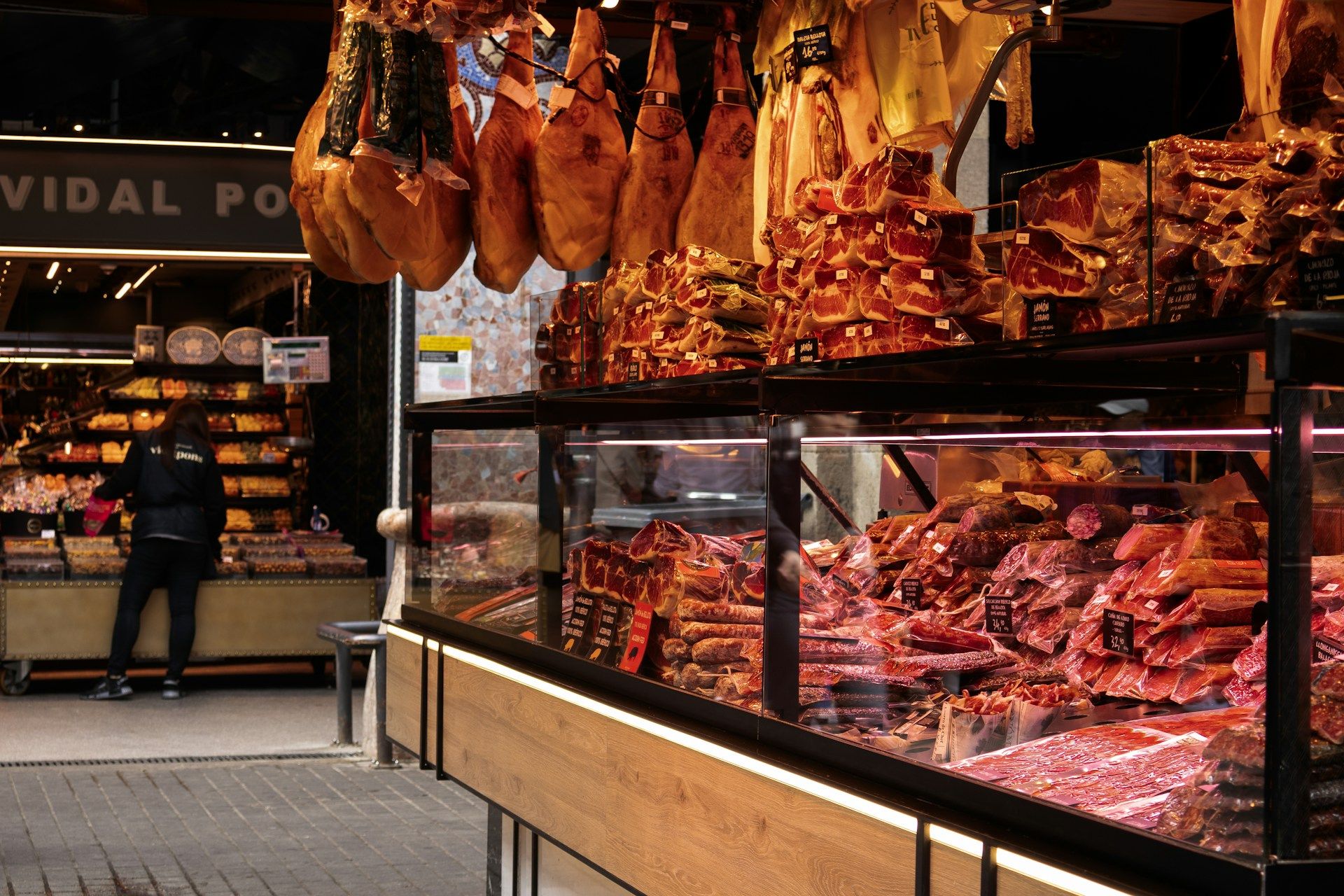
This matters more than people expect. Cutting against the grain, for instance, shortens muscle fibers and makes meat noticeably easier to chew — something a trained eye catches instinctively but a machine, following a fixed template, simply won't account for.
Waste, Customization, and Getting Exactly What's Needed
Grocery packaging tends to be one-size-fits-all. Buying a small roast might mean grabbing something twice the needed size just because that's what's available prepackaged. Custom shops solve this by portioning to actual need — smaller households get smaller cuts, large gatherings get exactly the volume required, and specialty requests (unusual cuts, specific fat trim levels, bone-in preferences) become genuinely possible rather than a hopeful long shot.
There's also the freezer-bundle approach many custom shops offer, where a variety pack gets assembled based on someone's actual cooking habits rather than a generic seasonal assortment. Small thing, maybe, but it adds up over months of grocery trips.
Poultry Deserves Its Own Mention
Poultry often gets treated as an afterthought in the beef-and-pork conversation, but the distinction matters just as much here. Facilities handling Poultry Processing Peoria IL shops rely on for fresh, locally sourced chicken and turkey typically offer far more variety in cut style — spatchcocked whole birds, custom-trimmed breasts, bone-in thighs prepared specifically for smoking — than a standard grocery poultry section ever bothers stocking. That flexibility rarely gets talked about, but it's one of the more practical advantages custom sourcing provides.
So Which One's Actually Better?
Depends entirely on what someone needs. Grocery store cuts win on convenience and price predictability — nobody's knocking a quick weeknight dinner grab. But for anyone cooking with intention, hosting regularly, or simply curious where their food actually comes from, custom cutting offers a level of control and quality that mass processing structurally can't match.
Final Thought
The difference between custom and standard cuts isn't dramatic on the surface — meat is meat, right? Except it isn't, not really. Sourcing, technique, and flexibility separate the two in ways that become obvious the moment someone tastes a properly hand-cut steak next to a shrink-wrapped one. Small differences, sure. But they add up to a meaningfully better plate.