
A rushed haircut before a wedding. A color correction after a box-dye disaster. Or maybe just the quiet panic that appears when bathroom lighting suddenly reveals dry, overprocessed strands. New Yorkers know the feeling. Hair tends to carry stress like a sponge — pollution, hard water, heat styling, long winters, rushed routines. It adds up.
That’s partly why the beauty industry in Manhattan never really slows down. The demand isn’t just about vanity anymore. Healthy hair has become tied to confidence, professionalism, even identity. And the services offered at a top hair salon in New York reflect that shift. Treatments have evolved far beyond simple conditioning masks and basic trims. Some are rooted in science. Others in old techniques from Tokyo or Seoul. A few sound almost ridiculous until the results appear under salon lights.
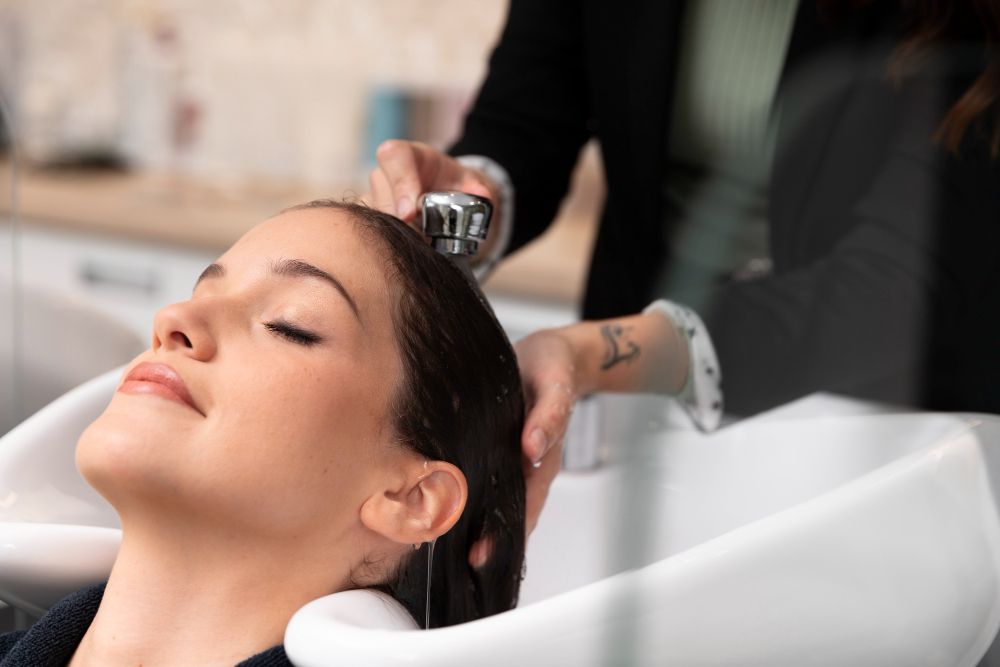
Deep Conditioning Treatments That Actually Repair Hair
Not every conditioning treatment deserves the word “repair.” Many simply coat the surface of the hair, making it feel smooth for a few washes before everything goes back to normal. Clients often notice this pattern without fully understanding why.
The better salons approach damaged hair differently. Protein reconstruction treatments, bond-building systems, and moisture-balancing formulas target the internal structure rather than creating temporary shine. Treatments inspired by technologies like peptide repair or amino-acid infusion are especially common in high-end NYC salons now.
Why the obsession with bond repair? Because bleach, coloring, and heat break down the internal links inside hair strands. Once those bonds weaken, hair becomes stretchy, brittle, dull. A stylist may smooth the surface temporarily, but unless those internal issues are addressed, breakage returns fast.
Ever noticed how some people color their hair constantly yet somehow maintain softness? Usually, treatment scheduling is the difference.
Scalp Detox Treatments Are Quietly Becoming Essential
For years, scalp care was oddly ignored in Western salons. Attention stayed focused on the visible part — the hair itself. Yet many stylists now compare scalp health to soil quality in gardening. Weak foundation, weak growth.
New York salons increasingly offer scalp detox treatments involving exfoliation, steam therapy, deep cleansing oils, and circulation massage. Sounds luxurious. Sometimes it is. But there’s also logic behind it.
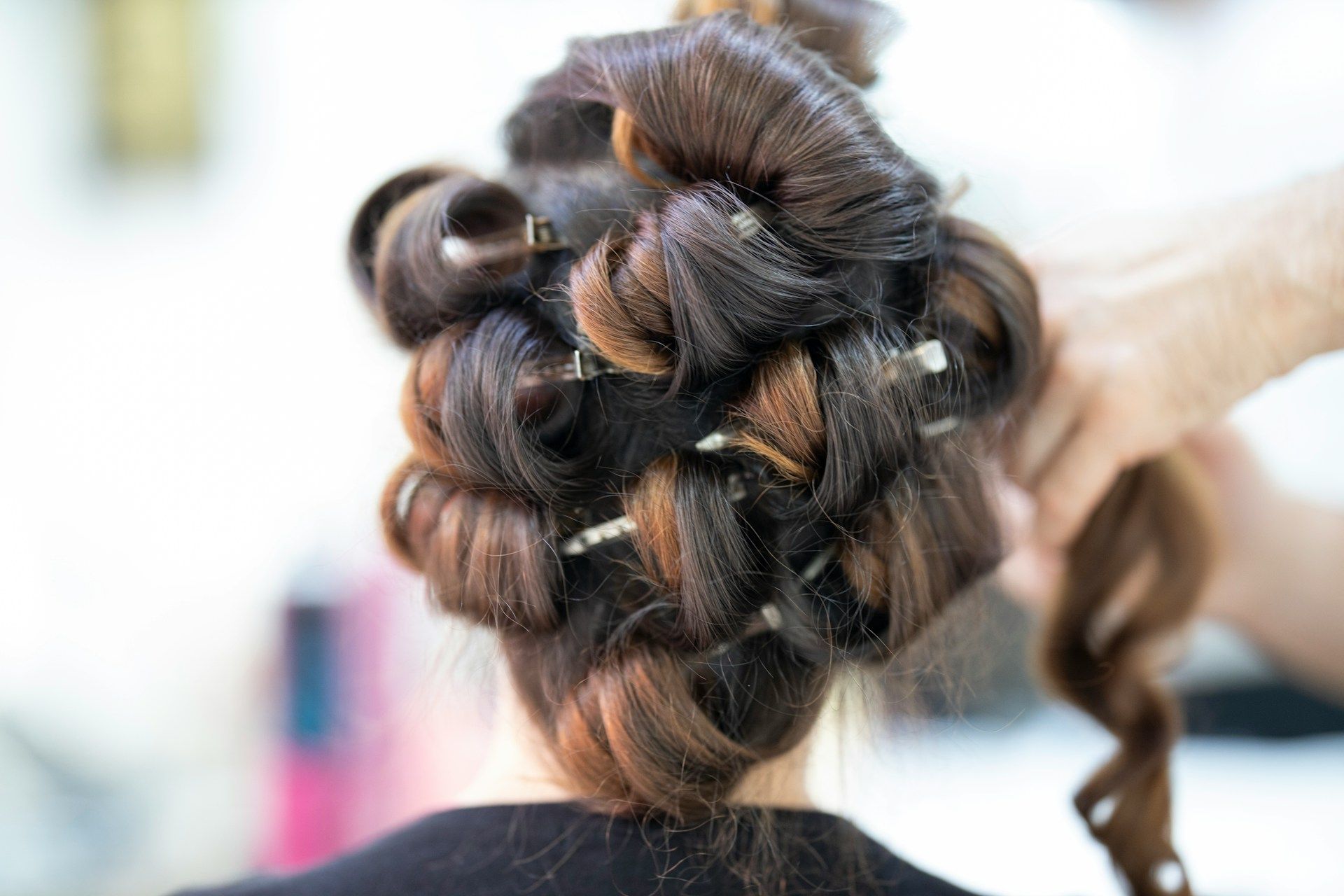
City living exposes hair to airborne particles, sweat buildup, dry indoor heating, and product residue. Over time, follicles can become congested, leading to irritation or flat-looking roots. Some clients mistake the problem for thinning hair when the issue is actually buildup and inflammation.
The immediate effect is often lighter, cleaner-feeling hair. The longer-term effect? Better growth conditions. Less irritation. Occasionally fewer flakes. Not magic, just maintenance.
Keratin Treatments: Still Popular, Still Misunderstood
Keratin treatments continue to dominate salon menus despite years of debate around them. Some clients expect pin-straight hair afterward. Others fear irreversible damage. Reality sits somewhere in the middle.
Modern keratin systems vary widely. Certain formulas focus mainly on frizz reduction, while others dramatically alter texture. The strongest versions can leave hair sleek for months, especially in humid summers when New York sidewalks start feeling like steam rooms.
But there’s a catch.
Overusing keratin treatments can sometimes weaken fine hair over time, especially when combined with frequent heat styling. Skilled stylists usually evaluate density, porosity, and elasticity before recommending one. That evaluation matters more than the treatment itself.
The salons with the best reputations rarely push keratin automatically. They ask questions first. Always a good sign.
Glossing Treatments for Color Depth and Shine
Gloss treatments don’t get enough attention because they sound too subtle. Yet many celebrity colorists consider them essential.
A gloss can refresh faded tones, neutralize brassiness, enhance shine, and create a smoother finish without heavy chemical processing. Brunettes often notice richer dimension afterward. Blondes see less yellowing. Red tones look more intentional instead of washed out.
The effect isn’t dramatic in a flashy way. More refined than that.
There’s also a psychological side to glossing treatments. Hair appears healthier when light reflects evenly across the strands. People interpret shine as health instinctively, even if they can’t explain it. Tiny detail. Big visual impact.
Japanese Hair Straightening Remains a Specialty Service
Some trends disappear after a few years. Japanese thermal straightening never fully did.
Unlike temporary smoothing systems, this treatment permanently restructures the hair until new growth appears. Results can look astonishingly sleek when performed correctly. Yet it requires precision, patience, and experience. One mistake with timing or chemical strength can seriously compromise the hair shaft.
That’s why many clients specifically search for a skilled japanese hairdresser NYC professionals trust for advanced texture treatments. Technical training matters enormously here. Hair texture, previous coloring history, and strand strength all influence the process.
Oddly enough, the best stylists sometimes refuse clients seeking this treatment. Severe bleach damage or overly fragile hair can make permanent straightening risky. Turning away business isn’t glamorous, but ethical salons do it anyway.
Customized Treatments Are Replacing One-Size-Fits-All Services
The biggest shift happening inside New York salons may not be one treatment at all. It’s personalization.
Top salons increasingly combine multiple approaches into tailored treatment plans — perhaps a scalp detox before bond repair, followed by glossing weeks later. Haircare has become less about isolated appointments and more about long-term maintenance strategy.
Makes sense. Hair problems rarely come from one cause alone.
Stress, diet, climate, overprocessing, water quality, hormonal changes — everything leaves fingerprints on hair eventually. The stylists producing consistently strong results tend to think diagnostically rather than cosmetically. They examine patterns. Lifestyle. Habits. Damage history.
And clients notice the difference.
Because beneath the luxury branding and polished mirrors, the best salons understand something simple: people aren’t just paying for better hair. They’re paying for relief from frustration. From failed experiments. From years of not quite understanding why their hair stopped cooperating.